Showing posts with label photographer's tips. Show all posts
Monday, November 15, 2010
Private Commission Portrait | Center Area High School| High School Portrait
Saturday I had the pleasure of photographing Miss M in a private commission session.
Every year I do a select number of private commission portraits for high school age people wanting something unique and artistic. I don't like to call it a "senior portrait" or "high school picture" just a "private commission portrait session." To me there is a difference. It's not volume work. Everything is customized to the individual client. As I tell everyone, "you won't be hugging any trees or sitting on big numbers." The work is done on location or in my second floor urban grunge daylight studio. Occasionally we'll shoot against a seamless, depending on what we collaborate to create. Collaboration is of utmost importance. I like people with ideas and passion. It's so much more fun and rewarding to create images of excited, creative people.

Because my work is so customized to the individual client I rarely book multiple shoots in a day. I want to work in the best light. Usually that occurs once a day so booking more than one session on location is to possibly compromise the quality of my images. I won't compromise my work, period, so a generous amount is mandatory.
The portrait shown here was made near the end of the day. The sun was low in the sky. A California Sunbounce reflector kicked in just enough light to add dimension and provide a clean catch-light in her eyes. I like her expression - soft, yet confident, someone ready to take on the world. In post I used custom mix in Nik Silver Effect Pro to create the overall tone and tonality. Nik software is simply the finest black and white conversion program out there today. I'm a huge black and white fan, and I still shoot film at times for "the look" but Nik nails it so well I hardly ever "need" my film bodies anymore.
Camera: Nikon D700
Lens: Nikon 70-200

Labels:
high school portraits,
photographer's tips,
portrait
Wednesday, April 14, 2010
Location, location, location
Today starts a three week stint of out of town location work. Well, not 100%, but each week I'm going somewhere new shooting something for a few days. Gone are the extended travel assignments of times ago, at least for most of us. Regardless of the length of the trip, the challenges are still there because once you're out of the studio, you're away from most of your arsenal of equipment. So what do I take to keep things running smoothly? Here's a rundown of my travel gear:
• Nikon D700 bodies (two, one with the vertical grip for 8 fps)
• Nikon D300s body
• Nikon 17-35 f2.8 zoom
• Nikon 24-70 f2.8 zoom
• Nikon 70-200 f2.8 zoom
• Nikon 50 f1.4 G
• Nikon 85 f1.4
• Nikon 12-24 f/2 DX
• Nikon 70-300 f3.5
• Nikon TC-14 tele-converter
• Nikon SB-900 flash units (two)
• Nikon SB-26 flash unit (w/built in slave eye)
• Nikon Commander Unit
• Sandisk 16 gig CF cards (10)
• Sandisk 16 gig SDHC cards (2, as emergency back up)
• Sandisk 8 gig CF cards (8)
• Macintosh laptop w/external hard drives for backing up files
Along with this "basic" kit I also pack a Manfrotto mono-pod; Gitzo tripod; Honl flash grids, snoots, gels; Manfrotto light stands; mini softbox; shoot thru umbrellas and a few Cliff bars for on the go energy. Oh, and a couple of boxes of Starbucks instant coffee, too! Can't forget the coffee!!
This may sound like a lot to some people, but for me it's just the basic kit I feel comfortable carrying in order to be ready for anything a client may throw at me at any time. This kit also provides one more important element - back up. With multiple bodies available there is less chance for something going wrong. And by duplicating focal lengths you're covered no matter what happens. As a profession this is the ONLY way to work. The 12-24 lens covers basically the same angle of view as the 17-35. That's an important lens range for me hence the duplication. The 70-300 is my back up for the 70-200 for the same reason.
I carry a D300s as a third body rather than another D700 because the former has a DX sensor, hence all focal lengths are multiplied by a factor of 1.5. This is extremely useful when photographing sports - with the D300s and 70-200 combo I have an automatic 300mm f2.8 lens at a fraction of the weight! Add the 1.4 tele-converter and that makes it a 420 mm f4. Nikon glass will allow me to do this and create razor sharp images, my former system would not.
To transport all this stuff my lighting gear is packed into a Lightware 1440 case. Cameras travel in a ThinkTank roller. On site I'll move most of the camera gear into a shoulder bag for easier transport by my assistant. I'll carry two or three cameras with various lenses to work.
Now all we need is good weather!
Thursday, April 01, 2010
Make a simple picture
When was the last time you simplified your shooting and used only one lens? Not a zoom, either, a regular one focal length lens. How about putting on a regular 50 mm lens and use you mind, eyes and feet to create some images this weekend? Use your mind to pre-visualize the image, your eyes to find the photo and your feet to "zoom" in and out for best composition. Make pictures simply, but don't make simple photos -- work at it, compose, see, stretch and push yourself to see out of the box. The Pittsburgh weather this weekend is suppose to be totally awesome. Take a photo walk, even if it's only in your back yard, and make some fresh images. It's spring, time for life to begin anew. Make it your visual life, too.
Wednesday, September 16, 2009
TastyCake ring shot
People talk about trying to find creative ways to photograph rings at weddings. How about keying in on something significant to the bride, groom or their family? It may, or may not, translate to everyone, but to the people truly important it will be a special image. For Cara and Andy I photographed their rings atop TastyCakes, which is very significant to them.

Wednesday, June 04, 2008
Strobist lighting
The weather Tuesday morning was oh so typical crappy Pittsburgh -- dark, gray skies with little definition. Not exactly exciting to shoot under, especially when I planned to include a good portion of the sky in the frame. So when you're handed a lemon the only thing to do is make lemonade!
I started by setting my Canon 5D to a tungsten color balance. This way any daylight would be rendered as blue.
To light the subject I placed my main light, a Canon 580 EX at 45 degrees to subject on my right side. To balance the tungsten setting I place a full CTO filter over the flash, but since I wanted the main slightly warmer than normal I added a 1/2 CTO to boost the color.
The second flash, also a 580 EX, was placed low and pointed up at the Bonsai tree. The tree light was covered with a full CTO to bring it back to normal. The flashes were set to "slave" and triggered by a hot shoe mounted Canon ST-E2. Camera exposure was 1/200 at f14, about two stops below "normal" ambient exposure. The main light needed a 1 stop boost in exposure compensation to achieve the desired exposure. The lens was a Canon 16-35mm f/2.8 MK II L.
The only Photoshop work I did on this image was darken the edges slightly, run an overall sharpen and definition action, boost the blue a bit and tweak the facial color. As is my normal workflow, all PS work is done on 16-bit TIFF files, then converted to 8-bit Adobe 1998 for client delivery or JPEG, sRGB for web.
Lemonade from a lemon of a day. Gotta love it.

For many more super cool tips and tricks check out the Strobist blog.
I started by setting my Canon 5D to a tungsten color balance. This way any daylight would be rendered as blue.
To light the subject I placed my main light, a Canon 580 EX at 45 degrees to subject on my right side. To balance the tungsten setting I place a full CTO filter over the flash, but since I wanted the main slightly warmer than normal I added a 1/2 CTO to boost the color.
The second flash, also a 580 EX, was placed low and pointed up at the Bonsai tree. The tree light was covered with a full CTO to bring it back to normal. The flashes were set to "slave" and triggered by a hot shoe mounted Canon ST-E2. Camera exposure was 1/200 at f14, about two stops below "normal" ambient exposure. The main light needed a 1 stop boost in exposure compensation to achieve the desired exposure. The lens was a Canon 16-35mm f/2.8 MK II L.
The only Photoshop work I did on this image was darken the edges slightly, run an overall sharpen and definition action, boost the blue a bit and tweak the facial color. As is my normal workflow, all PS work is done on 16-bit TIFF files, then converted to 8-bit Adobe 1998 for client delivery or JPEG, sRGB for web.
Lemonade from a lemon of a day. Gotta love it.

For many more super cool tips and tricks check out the Strobist blog.
Saturday, June 16, 2007
Homage to Karsh
Sometimes opportunity just presents itself. When it does, seize the moment!
During a recent portrait session of a board or directors, one of the subjects had a particularly great face. After I created the images the client needed I asked him, Allegheny County Councilman Bill Robinson, if he would mind me making a few extra images. "I've never met a politician who didn't love to get their picture taken" he said. With that I simply asked him to turn a little and raise his hand to his chin.
The lighting was also quite simple, one kicker light at 62 watt seconds in a small Chimera softbox aimed at him from the rear, camera left, and the main light at 125 watt seconds in a medium Chimera. set in direct line of his face. No hair light, background light or separator was used.
The entire "extra" shoot took about 90 seconds. Four frames were exposed.
To increase drama, I converted the original color image to a black and white and applied a custom chocolate tone. Photoshop CS2 was used.
Camera was a Canon 5D and the lens was a 28-135 mm zoom set at f/8.
During a recent portrait session of a board or directors, one of the subjects had a particularly great face. After I created the images the client needed I asked him, Allegheny County Councilman Bill Robinson, if he would mind me making a few extra images. "I've never met a politician who didn't love to get their picture taken" he said. With that I simply asked him to turn a little and raise his hand to his chin.
The lighting was also quite simple, one kicker light at 62 watt seconds in a small Chimera softbox aimed at him from the rear, camera left, and the main light at 125 watt seconds in a medium Chimera. set in direct line of his face. No hair light, background light or separator was used.
The entire "extra" shoot took about 90 seconds. Four frames were exposed.
To increase drama, I converted the original color image to a black and white and applied a custom chocolate tone. Photoshop CS2 was used.
Camera was a Canon 5D and the lens was a 28-135 mm zoom set at f/8.
Tuesday, May 15, 2007
May Crowning
Recently, while photographing the May Crowning at Saint Philip Catholic Church, I was blessed (pun intended) when someone decided to take a flash picture at the exact instant I made my image. The result was quite pleasing and looks like I lit the scene with an off camera flash. In reality I did, it just wasn't planned!
Technically I was very, very lucky. The person who "assisted" me with their lighting was using a very weak on camera flash at a considerable distance, thus not overpowering my available light high ISO exposure. If they had been closer or using a more robust flash my exposure would have been unusable without considerable highlight compression. If it could have been saved at all.
Sometime you just have to accept a little divine intervention.
Technically I was very, very lucky. The person who "assisted" me with their lighting was using a very weak on camera flash at a considerable distance, thus not overpowering my available light high ISO exposure. If they had been closer or using a more robust flash my exposure would have been unusable without considerable highlight compression. If it could have been saved at all.
Sometime you just have to accept a little divine intervention.
Thursday, April 19, 2007
Available Light
In college my favorite professor would constantly expound how he photographed every assignment strictly by “available light.” But looking at his pictures you could tell many were lit by more than one source. After being questioned over and over he finally relented and gave us the answer. To the professor, available light was whatever light you had available whether it was the sun, a few reflectors or a step van full of powerful electronic flashes. As long as it was “available” to you, it was “available light!”
At the time we just thought the old guy was daft. Years later I realized he was a genius. I felt like grasshopper in Kung Fu, finally grasping the wise old man’s message.
Whether you use a single candle or a dozen flashes, the only thing that matters is the light quality. The light quantity determines your exposure, but it’s the quality of that light that will determine the message your image conveys. Quantity and quality are often mutually exclusive.
In the following examples, I photographed Sister with just the light coming into her apartment from the window. Neither flash or reflector provided extra light. The quality of light was exceptional so all I had to do was composed, focus and shoot. Available light at it’s best.


Unlike Sister, these next photos from a recent portrait project required much additional lighting, which was “available” in my trunk.

.jpg)

There is a time and place for each style of lighting. As professionals, it’s our job to be a master of the tools we have available and know which one is more appropriate than the other in every given situation.
At the time we just thought the old guy was daft. Years later I realized he was a genius. I felt like grasshopper in Kung Fu, finally grasping the wise old man’s message.
Whether you use a single candle or a dozen flashes, the only thing that matters is the light quality. The light quantity determines your exposure, but it’s the quality of that light that will determine the message your image conveys. Quantity and quality are often mutually exclusive.
In the following examples, I photographed Sister with just the light coming into her apartment from the window. Neither flash or reflector provided extra light. The quality of light was exceptional so all I had to do was composed, focus and shoot. Available light at it’s best.


Unlike Sister, these next photos from a recent portrait project required much additional lighting, which was “available” in my trunk.

.jpg)

There is a time and place for each style of lighting. As professionals, it’s our job to be a master of the tools we have available and know which one is more appropriate than the other in every given situation.
Tuesday, March 27, 2007
Portraits
When you talk about a portrait you usually think of someone's face. But does the face alone really tell you about the person? Sometimes yes, sometimes no, it all depends on what you want to say. I strive to make my portraits a deeper, more telling story. To accomplish this I look for little details of their life -- gestures, special objects, close ups. If you photograph with an open mind and heart the images will come into you.
Yesterday was one such day. I had the pleasure and honor to photograph Sr. Clementine, a woman who has devoted most of her 86 years to Christ. I came away with many, many wonderful images but this detail is among my favorites. I'll post more portraits (including a nice series) after the client selects their favorites.
Monday, March 19, 2007
Executive Portraits
For the last few weeks I've been working on a series of portraits of executives. These are top officers in corporations around the Pittsburgh area who all have won awards of achievement (more on that in the coming weeks). Everyone has been incredibly corporative and excited about the pictures so the images have been a wonderful collaboration between artist and subject. I was going to hold off and splash these all at once but I was so jazzed about my Friday afternoon shoot I couldn't wait.
The hardest part of this shoot was getting there because the late winter snow storm really made driving a mess. What is normally a 30 minute drive took almost an hour. The ride home was no picnic either but I think the results were more than worth the effort. Besides, I have 4-wheel drive for just this reason!!
Technically the shot was pretty simple. A single Dynalite flash head with a 20 degree grid spot lit the subject at 62 watt seconds with a wink of fill provided by another Dynalite head at 62 watt seconds in an extra small Chimera softbox feathered off at an extreme angle. The back light was provided by a third Dynalite head and red gel powered up to 250 watt seconds. I captured the image with a Canon 5D and the 16-35mm lens at around f/8. Because of the fabric in the shirt a moiré pattern developed when shot at certain angles, light straight on. To counter the moiré, and to add drama, I angled the camera off axis. The whole shot took about 25 minutes including lighting set up.
I hope you like this shot as much as I do. When the project is complete I'll share the rest of the images.
The hardest part of this shoot was getting there because the late winter snow storm really made driving a mess. What is normally a 30 minute drive took almost an hour. The ride home was no picnic either but I think the results were more than worth the effort. Besides, I have 4-wheel drive for just this reason!!
Technically the shot was pretty simple. A single Dynalite flash head with a 20 degree grid spot lit the subject at 62 watt seconds with a wink of fill provided by another Dynalite head at 62 watt seconds in an extra small Chimera softbox feathered off at an extreme angle. The back light was provided by a third Dynalite head and red gel powered up to 250 watt seconds. I captured the image with a Canon 5D and the 16-35mm lens at around f/8. Because of the fabric in the shirt a moiré pattern developed when shot at certain angles, light straight on. To counter the moiré, and to add drama, I angled the camera off axis. The whole shot took about 25 minutes including lighting set up.
I hope you like this shot as much as I do. When the project is complete I'll share the rest of the images.
Friday, March 16, 2007
Before and After
For me capture is only the beginning.
Back in the dark(room) ages I would literally spend hours crafting a print to perfection. That kind of attention to detail came thanks to an old boss who had worked as a printer for famed landscape photographer, Ansel Adams. I still remember my first day on the job when the boss handed me a medium format negative and showed me the darkroom door. He smiled and said when I could make a print Ansel would be proud of then I could print his negatives. I've always liked a challenge. Two weeks later I finally made a print he would accept and I was finally allowed out of the dark.
Fast forward to the digital age. The same is true today, it takes practice to develop your craft. The difference is only in our tools. Rather than lock ourselves away in a small dank room for hours at a time we now sit in front of an electronic screen for hours and hours tweaking images pixel by pixel. The difference? No chemicals, unless you count the way-too-strong Starbucks coffee I drink!
The example here is from a series of shots I made at a college dance class. The easy part was to capture the action at the proper moment. I love the line of the dancer's arm, her hair and the man's bulging muscles as he holds her through the move. Nice picture, but far from a work of art. The after shot was the result of pumping up the color, adding a slight diffusion layer and doing a lot of burning of the background. Some custom Photoshop actions were used but a lot of work on this image was done the old fashion way... by hand.
It's not what you photograph, but what you see in your minds eye that counts the most.

Back in the dark(room) ages I would literally spend hours crafting a print to perfection. That kind of attention to detail came thanks to an old boss who had worked as a printer for famed landscape photographer, Ansel Adams. I still remember my first day on the job when the boss handed me a medium format negative and showed me the darkroom door. He smiled and said when I could make a print Ansel would be proud of then I could print his negatives. I've always liked a challenge. Two weeks later I finally made a print he would accept and I was finally allowed out of the dark.
Fast forward to the digital age. The same is true today, it takes practice to develop your craft. The difference is only in our tools. Rather than lock ourselves away in a small dank room for hours at a time we now sit in front of an electronic screen for hours and hours tweaking images pixel by pixel. The difference? No chemicals, unless you count the way-too-strong Starbucks coffee I drink!
The example here is from a series of shots I made at a college dance class. The easy part was to capture the action at the proper moment. I love the line of the dancer's arm, her hair and the man's bulging muscles as he holds her through the move. Nice picture, but far from a work of art. The after shot was the result of pumping up the color, adding a slight diffusion layer and doing a lot of burning of the background. Some custom Photoshop actions were used but a lot of work on this image was done the old fashion way... by hand.
It's not what you photograph, but what you see in your minds eye that counts the most.

A New Day!
Blogging has been a lot of fun. You see, I like to write. I'm not especially good at it, at least not in a Proust sort of way. I usually write in a conversational manner, just like I talk. Maybe it comes from working alone too much and talking to myself, who knows, but for what ever reason it works for me. Now let me state for the record, I was NOT an english major so from time to time I may screw up my syntax or other things I should have learned in school had I been paying attention and not messing around with my camera. Sorry. Deal with it. If you can't, just look at the pictures, OK? Thanks.
So why the apology? Because for those who are English sensitive there is going to be a lot more to be sensitive about from now on! I've decided I like this blog thing so much I need to do more of it. But rather than just spew out a bunch of stuff happening every day (boring!) I'm going to try to make it useful. I've noticed there are a lot of photographers who check out my blog. Many are good friends, some new friends and some are friends I haven't yet met. It's all good. And since I really enjoy sharing what I've learned I might as well do it right here from time to time. Besides, I KNOW there are a lot of my brides who are really into photography so maybe some of the tips here and there can help make their photography experience more rewarding.
So stay tuned, the best is yet to come!
Peace
So why the apology? Because for those who are English sensitive there is going to be a lot more to be sensitive about from now on! I've decided I like this blog thing so much I need to do more of it. But rather than just spew out a bunch of stuff happening every day (boring!) I'm going to try to make it useful. I've noticed there are a lot of photographers who check out my blog. Many are good friends, some new friends and some are friends I haven't yet met. It's all good. And since I really enjoy sharing what I've learned I might as well do it right here from time to time. Besides, I KNOW there are a lot of my brides who are really into photography so maybe some of the tips here and there can help make their photography experience more rewarding.
So stay tuned, the best is yet to come!
Peace
Sunday, December 17, 2006
Color or Black and White?
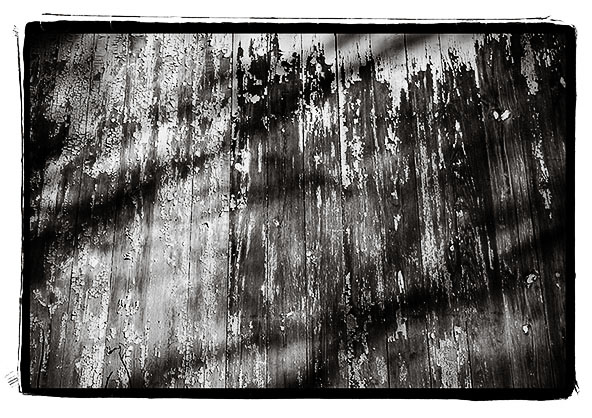
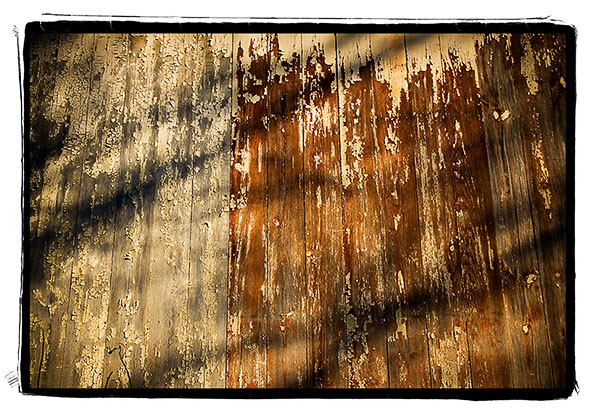
Ok, so I've had a long standing love affair with black and white, but I equally enjoy eye bleeding color photos. These, at least to me, seem to work in both mediums, but I may be jaded since I was the one who snapped the shutter! You decide, black and white or color, or doesn't it matter? Thanks, and enjoy!
Just a little peeling barn paint...


Anyone need a screen door???

Just a little peeling barn paint...


Anyone need a screen door???

Subscribe to:
Posts (Atom)